Why basements get moldy
Short answer: basements stay cooler and more humid than the rest of the house, and their walls are in contact with damp soil. When water seeps through the foundation or a leak occurs, finished walls, carpet and stored items stay wet long enough to grow mold.
Basements are less common in newer Treasure Valley construction than crawl spaces, but many older Caldwell homes, especially near downtown and in the Steunenberg Historic District, have basements or cellars. Typical causes include:
- Seepage through foundation walls or the floor slab, especially with poor grading or downspouts near the house
- Irrigation spray and saturated soil next to the foundation
- Leaks from water heaters, softeners, laundry and plumbing that run through the basement
- Condensation on cold walls and pipes when humidity is high
- Finished basements built without moisture-tolerant materials
Signs of basement mold
- Musty smell when you open the basement door
- White, chalky deposits (efflorescence) or dark spots on concrete walls
- Stains or mold on the bottom of drywall and baseboards
- Damp carpet, carpet pad or rugs
- Mold on stored boxes, furniture or wood shelving
How basement mold removal is done
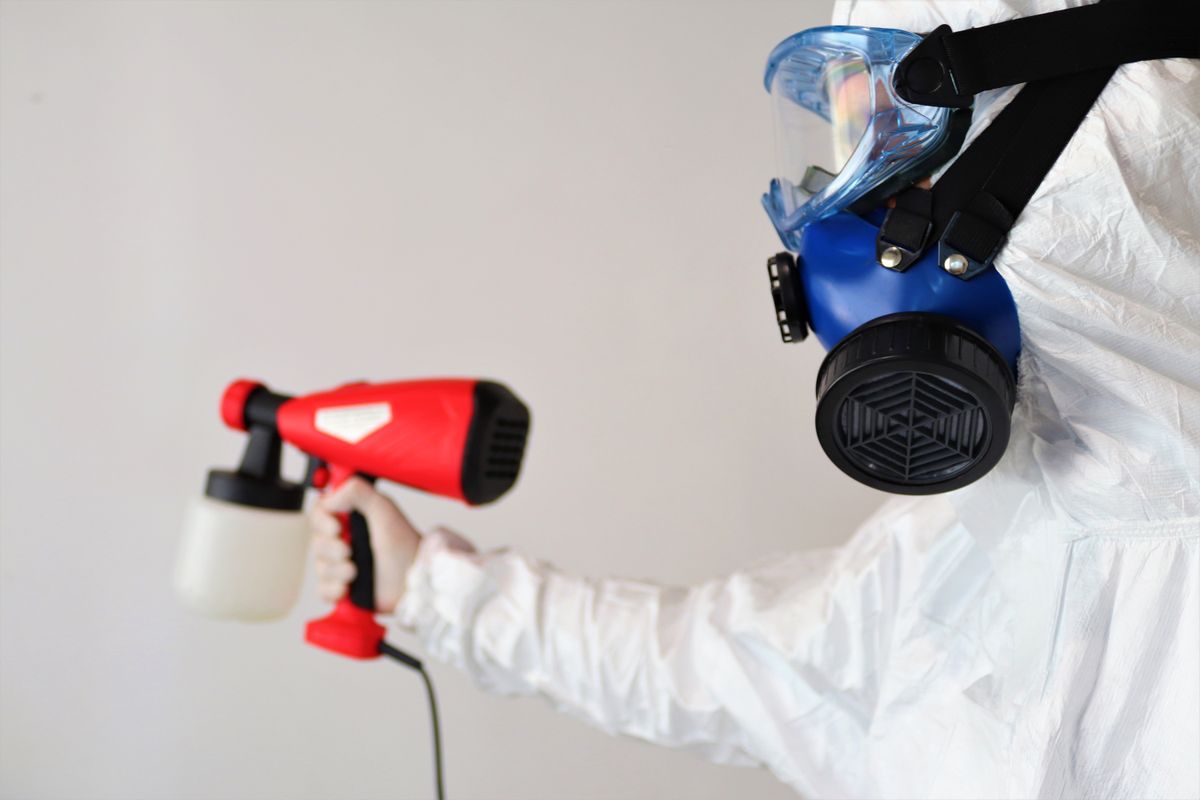
Remediation follows the standard process (contain, remove, clean, dry, verify) with attention to below-grade moisture:
- Moisture investigation: is the water coming from outside, from plumbing or from humidity?
- Containment so spores do not travel upstairs through stairwells and return air
- Removal of moldy drywall (often the bottom few feet), insulation, carpet and pad
- Cleaning of concrete and framing, HEPA vacuuming and drying
- Moisture control recommendations such as grading, gutters, dehumidification or waterproofing
If the basement just flooded, the first priority is water extraction and drying. That is covered on our water damage and mold cleanup page.
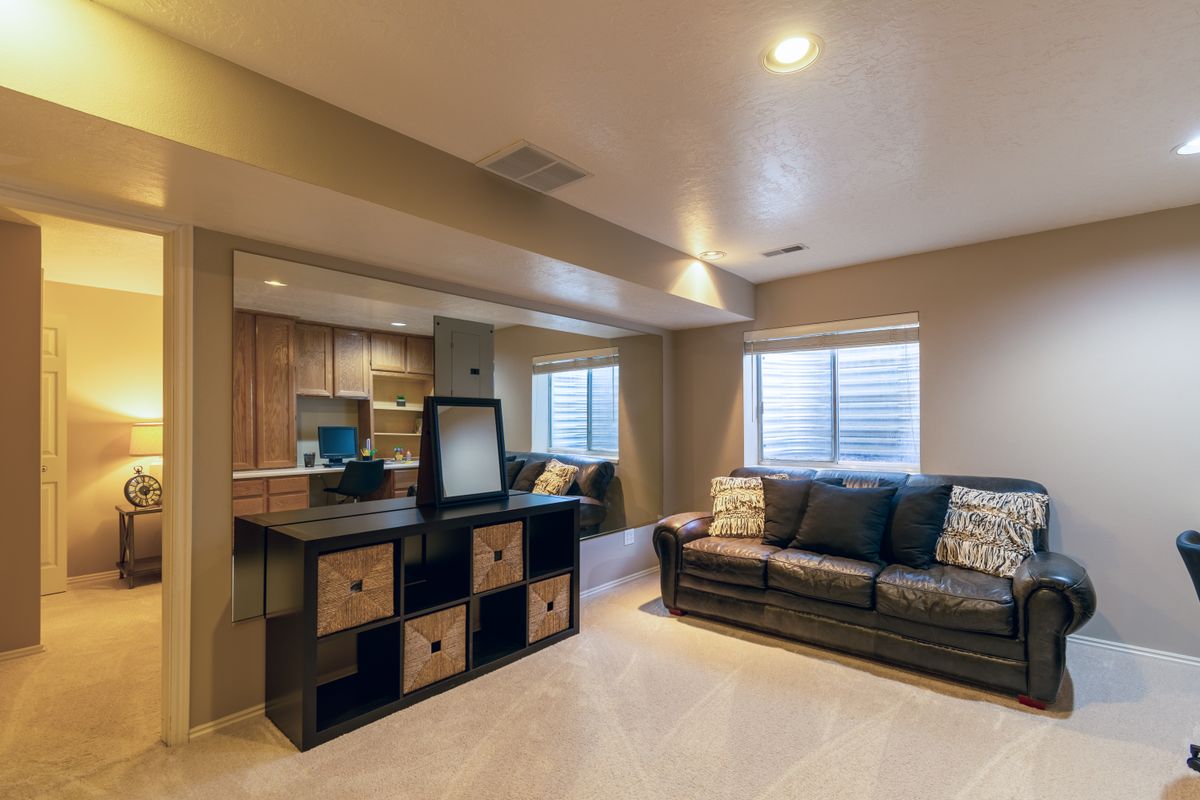
Finished basements need extra care
Drywall, carpet and fiberglass insulation in finished basements hold water and hide mold. We often open walls a short distance above the visible water line to check framing and insulation. We use moisture readings to decide how much to remove and confirm the remaining materials are dry. For a full overview of the process, see our guide to Caldwell mold removal.